Automated Property Management For Busy Landlords
Expert insights and practical advice for small landlords on automated property management for busy landlords.

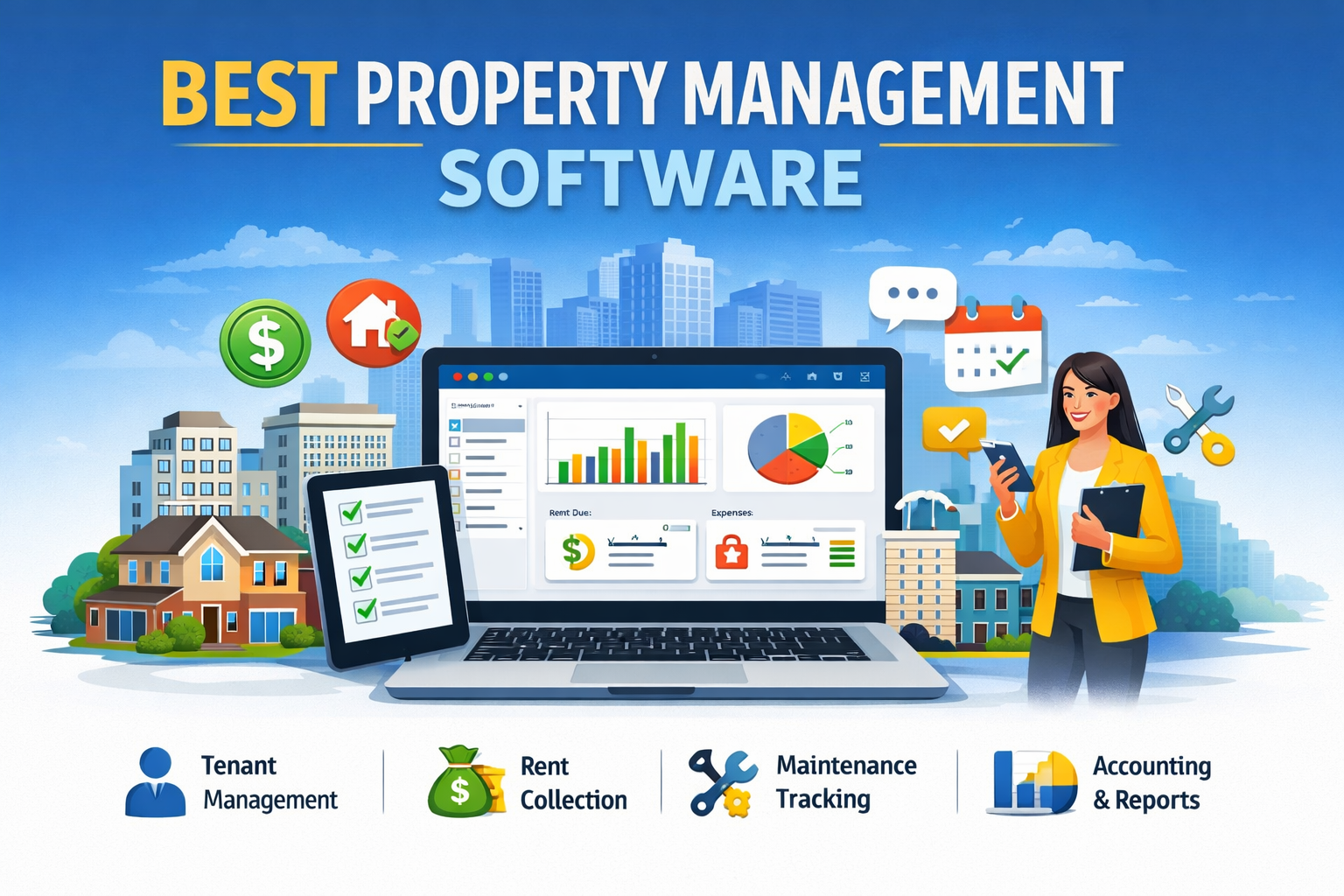
Automated Property Management For Busy Landlords
Did you know that 67% of small landlords spend over 15 hours per week on property management tasks that could be automated? If you're juggling tenant communications, rent collection, and maintenance requests while trying to maintain a full-time job, you're not alone—and there's a better way.
Automated property management for busy landlords uses technology to handle repetitive tasks like online rent collection, lease tracking, and maintenance requests, freeing up 10-20 hours per month while reducing costly errors and improving tenant satisfaction.
In this guide, you'll learn:
- How to automate rent collection and eliminate late payment chasing
- Which property management tasks deliver the biggest time savings when automated
- How to set up a maintenance request tracking system that works on autopilot
- The essential tools for building your automated property management dashboard
Why Automated Property Management Is Essential for Small Landlords
You became a landlord to build wealth and create passive income, not to work a second full-time job. Yet the reality for most small landlords is constant interruptions—text messages about broken appliances at 9 PM, manual rent tracking in spreadsheets, and hours spent organizing receipts for tax season.
The traditional manual approach to property management creates three critical problems:
Time drain: Manual rent collection, expense tracking, and tenant communication consume 12-20 hours weekly for landlords with just 3-5 properties. That's nearly 1,000 hours annually—equivalent to a part-time job with no pay.
Revenue loss: According to the National Apartment Association, landlords using manual systems experience 23% more late payments and spend an average of $1,200 per property annually chasing down rent.
Error risk: Manual expense tracking and reporting leads to missed tax deductions worth $3,000-$7,000 per property each year, plus increased audit risk from inconsistent record-keeping.
💡 Spending hours on manual rent collection and tenant follow-ups? Property Aura automates payment reminders, late fee calculations, and tenant communications. See how it works →
How to Automate Online Rent Collection
Online rent collection is the cornerstone of automated property management and delivers immediate time savings. Manual rent collection—accepting checks, depositing them, tracking payments in spreadsheets, and following up on late payments—consumes 4-6 hours monthly per property.
Set Up Automatic Payment Processing
Modern property management platforms enable tenants to pay rent via ACH transfer, credit card, or debit card with automatic recurring payments. Here's your setup roadmap:
Week 1: Choose a platform with built-in payment processing (avoid solutions requiring third-party integrations that create technical headaches).
Week 2: Add your properties and tenant information, including lease terms and payment schedules.
Week 3: Send tenants enrollment invitations with clear instructions. Offer a small incentive—like waiving one late fee—to encourage immediate adoption.
Week 4: Enable automatic late fee calculations and payment reminder sequences.
The result? Once configured, your system automatically processes payments, applies late fees per your lease terms, sends payment confirmations, and generates monthly income reports—all without your involvement.
Implement Automatic Payment Reminders
Payment reminders increase on-time rent collection by 34%, according to a 2024 TransUnion study. Configure your system to send:
- 3-day advance reminder before rent is due
- Same-day reminder on the due date
- 1-day overdue notice with late fee warning
- 3-day overdue notice with formal late fee applied
- 7-day overdue escalation notice
These automated touchpoints eliminate the awkward conversation of chasing rent while maintaining professional boundaries with tenants.
Building Your Property Management Dashboard
A centralized property management dashboard transforms scattered information into actionable insights. Instead of juggling multiple spreadsheets, email threads, and paper receipts, you access everything from a single interface.
Essential Dashboard Components
Your dashboard should display real-time data across five critical areas:
Financial overview: Current month's collected rent, outstanding balances, upcoming expenses, net operating income, and year-over-year comparisons. This snapshot answers "How are my properties performing?" in 30 seconds instead of 3 hours with spreadsheets.
Property performance: Occupancy rates, average days to fill vacancies, maintenance costs per unit, and tenant satisfaction scores. These metrics help you identify problem properties before they drain your bottom line.
Tenant information: Lease expiration dates, payment history, maintenance request patterns, and communication logs. Quick access prevents costly mistakes like forgetting about an upcoming lease renewal.
Maintenance tracking: Open work orders, contractor assignments, estimated completion dates, and associated costs. Real-time visibility eliminates duplicate requests and helps you hold vendors accountable.
Document repository: Leases, inspection reports, receipts, and correspondence organized by property and tenant. Having documents at your fingertips saves hours during tax season and provides protection during disputes.
Key Insight: Landlords using centralized dashboards report 89% fewer missed maintenance issues and 67% faster response to tenant concerns, according to Property Management Insider's 2024 benchmark report.
Automating Lease Management and Document Workflow
Lease management automation eliminates the paper shuffle that bogs down small landlords. Digital lease systems handle everything from creation to renewal without manual intervention.
Create Template-Based Leases
Build state-compliant lease templates with your standard terms, then auto-populate tenant-specific details (names, rent amounts, dates) from your database. This approach:
- Reduces lease creation time from 45 minutes to 5 minutes
- Eliminates copy-paste errors that create legal vulnerabilities
- Ensures consistent terms across all properties
- Maintains automatic compliance with state-specific requirements
Set Up Automatic Renewal Notifications
Lease expirations catch landlords off-guard, leading to rushed renewal negotiations or unexpected vacancies. Automated renewal workflows send:
- 90-day renewal notice to you with market rent analysis
- 60-day renewal offer to tenant with current vs. market rates
- 30-day follow-up if tenant hasn't responded
- 15-day final notice before lease expiration
- Automatic vacancy listing creation if tenant declines renewal
This systematic approach gives you time to adjust terms, find new tenants if needed, and eliminate last-minute scrambling that costs you money.
Time-Saving Insight: Property Aura users save 12+ hours/month on lease tracking and document management and reduce missed renewals by 73%. Try free - no credit card required →
Streamlining Maintenance Request Tracking
Maintenance issues are the #1 source of tenant dissatisfaction and landlord stress. An automated maintenance request tracking system transforms chaos into a smooth, documented process.
Implement Maintenance Requests
Submit maintenance requests with photos, descriptions, and urgency levels. This system creates several advantages:
Documentation: Every request gets timestamped and logged automatically, protecting you legally if a tenant claims you ignored their broken heater.
Prioritization: The system categorizes requests (emergency, urgent, routine) and routes them appropriately. Your tenant doesn't need to judge whether a leaky faucet requires a midnight call.
Automating Expense Tracking and Reporting
Expense tracking and reporting might be the most time-consuming and error-prone aspect of manual property management. Automated systems eliminate the shoe box of receipts and late-night spreadsheet sessions.
Import Data effortlessly
Effortlessly import transactions and categorize expenses using just a few clicks:
- Mortgage payments
- Property insurance
- Utilities
- Repairs and maintenance
- Property management fees
- Legal and professional fees
- Property taxes
- Advertising for vacancies
The system reduces manual categorization from 100% of transactions to less than 5%. Attach receipts automatically when you photograph them with your phone, creating IRS-compliant documentation without manual filing.
Generate Automatic Financial Reports
Automated reporting delivers critical insights without spreadsheet work:
Monthly P&L statements: Income vs. expenses by property, helping you identify underperforming assets immediately.
Tax-ready reports: Categorized expenses formatted for Schedule E, plus 1099 contractor reports generated automatically.
Cash flow projections: Forecasts based on lease terms, historical maintenance costs, and upcoming expenses like roof replacement or property tax increases.
Portfolio performance: Year-over-year comparisons, ROI calculations, and benchmark comparisons against similar properties in your market.
According to the Institute of Real Estate Management, landlords with automated financial systems file taxes 3 weeks earlier on average and claim 23% more deductions than those using manual tracking.
Common Mistakes to Avoid When Automating Property Management
Even with the right tools, landlords make predictable mistakes that undermine automation benefits. Avoid these pitfalls:
Mistake 1: Automating broken processes - Automation amplifies existing problems. Before implementing any system, document your current workflow, identify bottlenecks, and design your ideal process. Then automate that improved version, not your current chaos.
Mistake 2: Choosing overly complex platforms - Enterprise-grade software designed for 500-unit complexes is overkill for 5-property landlords. You'll pay more and use 10% of features. Choose a proper tenant screening process built specifically for small landlords.
Mistake 3: Skipping tenant onboarding - Your automation only works if tenants adopt it. Invest time upfront explaining the tenant portal, demonstrating payment submission, and highlighting benefits (faster maintenance responses, 24/7 access to lease documents). Offer tech support during the first month.
Mistake 4: Neglecting system customization - Default settings rarely match your business. Customize payment reminder timing, maintenance priority definitions, and report formats to reflect your actual needs. A few hours of setup saves hundreds of hours annually.
Mistake 5: Forgetting about data backup - Automated systems become your business's nervous system. Ensure your platform includes automatic backups, data export capabilities, and redundancy. Test your backup restore process quarterly—discover problems before you need the backup, not during an emergency.
Essential Features of an Automated Property Management System
Not all automation platforms deliver equal value. When evaluating options, prioritize these capabilities:
Core Financial Automation
Look for integrated rent collection best practices including ACH and card processing, automatic late fee calculation, multi-property income tracking, expense categorization with receipt capture, and tax-ready reporting. The system should handle your entire financial workflow without requiring separate accounting software for landlords with fewer than 50 units.
Mobile Accessibility
You won't always be at your desk when issues arise. Mobile apps should let you create maintenance requests, review payment statuses, communicate with tenants, photograph and categorize receipts, and access key documents. According to AppFolio's 2024 landlord survey, mobile access reduces average response time to tenant issues from 4 hours to 23 minutes.
Building Your Automation Implementation Timeline
Automating your property management is a journey, not a single event. Follow this phased approach to avoid overwhelming yourself and your tenants:
Month 1: Foundation Phase
Start with online rent collection since it delivers immediate time savings and positive cash flow impact. Set up your account, input property and tenant data, configure payment methods, and enroll tenants with support. Focus solely on getting rent collection working smoothly before adding other features.
Month 2: Visibility Phase
Add expense tracking and your property management dashboard. Import data, set up recurring payments, categorize a few months of historical transactions to train the system, and start using your dashboard for weekly financial reviews. Understanding your financial position creates motivation to automate additional tasks.
Month 3: Communication Phase
Implement the tenant portal for maintenance requests and general communication. Create a simple guide for tenants, migrate existing open maintenance issues into the system, and assign contractors in the platform. This month often generates the biggest tenant satisfaction improvement.
Month 4: Documentation Phase
Digitize lease management and document storage. Upload existing leases, inspection reports, and key documents. Set up automatic renewal reminders, and begin using digital lease templates for new tenants. You're now managing a predominantly paperless operation.
Month 5: Optimization Phase
Review your first four months of data. Identify remaining manual bottlenecks, customize reports and dashboards based on what you've learned, and add advanced features like automated late fee collection or contractor performance tracking. Fine-tuning the system to your exact needs happens after you understand how you actually work with it.
Frequently Asked Questions
How much does automated property management software cost for small landlords?
Most platforms designed for small landlords charge $40-$100 per property per month, or flat rates of $80-$200+ monthly for unlimited properties. Many offer free tiers for landlords with 1-3 properties. The cost is typically offset by reducing late payments ($100+ per occurrence) and capturing missed rental property tax deductions (averaging $3,000-$7,000 annually per property).
What happens if my internet goes down or the software has technical issues?
Cloud-based platforms maintain 99.9% uptime through redundant systems. During rare outages, you can still accept manual rent payments (check, cash) and log them when service restores. Choose platforms like Property Aura offering phone support and mobile app offline modes for viewing critical information like tenant contacts and lease terms. Keep digital copies of emergency contractor lists separate from your platform.
How do I handle tenants who refuse to use online payment systems?
While 87% of tenants prefer online payment according to RentCafe's 2024 resident survey, some resist change. For these tenants, clearly explain benefits (immediate payment confirmation, automatic receipts, no lost checks), offer hands-on setup assistance either in-person or via video call, and consider grandfather clauses for current tenants while requiring online payment for all new leases. Property Aura solves this in just a few clicks.
When should I automate property management tasks versus hiring a property manager?
Automate when you have fewer than 10-15 properties, want to maintain direct tenant relationships, and can dedicate 2-3 hours weekly to oversight. Hire a property manager when you exceed 15-20 units, manage properties more than 50 miles away, or value completely passive income over cost savings. Many landlords use automation for years before growing to the point where professional management makes financial sense.
Why is automated expense tracking more reliable than manual spreadsheet systems?
Automated systems eliminate three critical failure points of spreadsheets: missed transactions (automatic bank imports capture everything), categorization errors (AI learns patterns and suggests correct categories), and lost receipts (mobile capture creates backups instantly). During audits, landlords using automated systems provide complete documentation 94% faster than those using manual methods, according to the National Association of Residential Property Managers.
Key Takeaways
- Automated property management for busy landlords reduces time spent on routine tasks by 60-80%, freeing 10-20 hours monthly
- Online rent collection with automatic reminders increases on-time payments by 34% while eliminating awkward collection conversations
- Centralized dashboards provide real-time visibility into financial performance, maintenance issues, and tenant communication
- Maintenance request tracking systems reduce tenant complaint messages by 80% through transparency and automatic status updates
- Automated expense tracking and reporting captures 23% more tax deductions while reducing tax preparation time by 75%
- Implementation works best in phases over 4-5 months, starting with rent collection and adding features progressively
Ready to Streamline Your Property Management?
Join 2,500+ landlords using Property Aura to:
- ✅ Automate rent collection and eliminate late payment chasing
- ✅ Track maintenance requests with automatic contractor assignments
- ✅ Generate tax-ready financial reports in seconds instead of hours
"Property Aura cut my weekly management time from 12 hours to under 3 hours. The automated rent reminders alone saved me $4,800 in late payments last year." - Lisa M., 46-unit landlord
Ready to reclaim your time and reduce property management stress? Try Property Aura free and discover how automation helps small landlords compete with professional property managers without the hefty management fees.
Related Topics
Related Articles
How to Calculate Cap Rate on a Rental Property (2026 Guide for Small Landlords) A cap rate is a rental property's net operating income divided by its
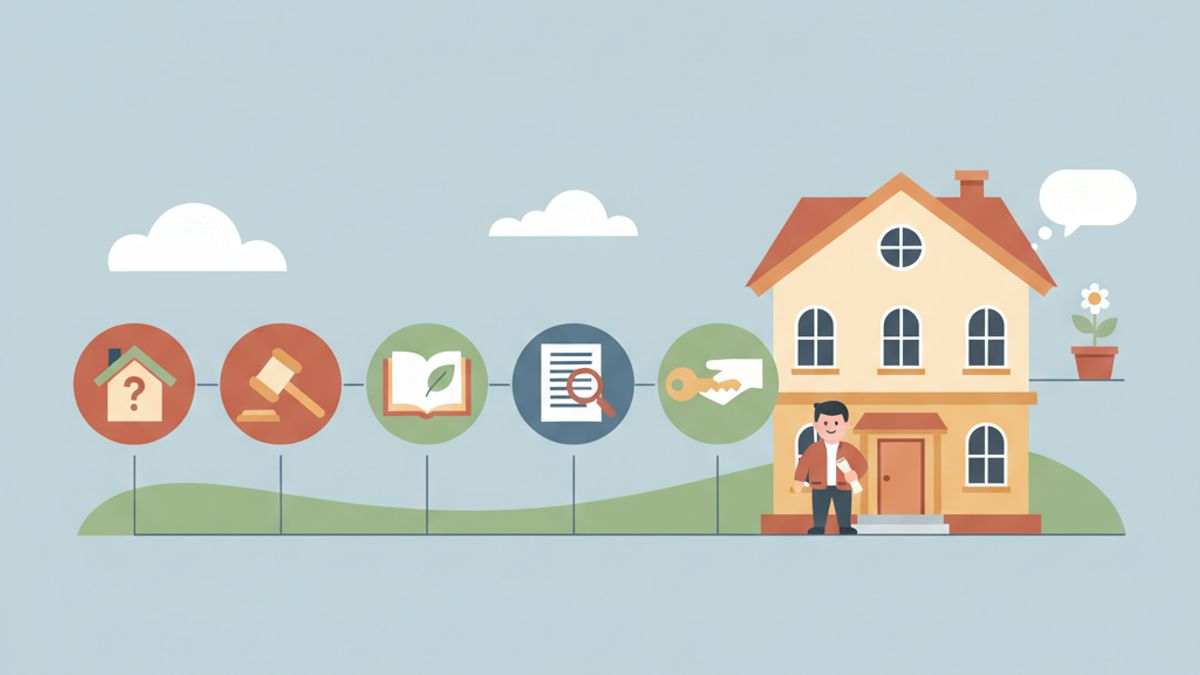
How to Legally Evict a Tenant: A Step-by-Step Guide for Small Landlords To evict a tenant legally, serve a written notice (pay-or-quit or cure-or-quit

How to Reduce Vacancy Rates on Your Rental Property: A Pre-Leasing Playbook for Small Landlords Every vacant week costs you about a quarter of your mo