Rental Property Maintenance: How to Stay Ahead of Repairs Without Burning Out
Expert insights and practical advice for small landlords on rental property maintenance: how to stay ahead of repairs without burning out.

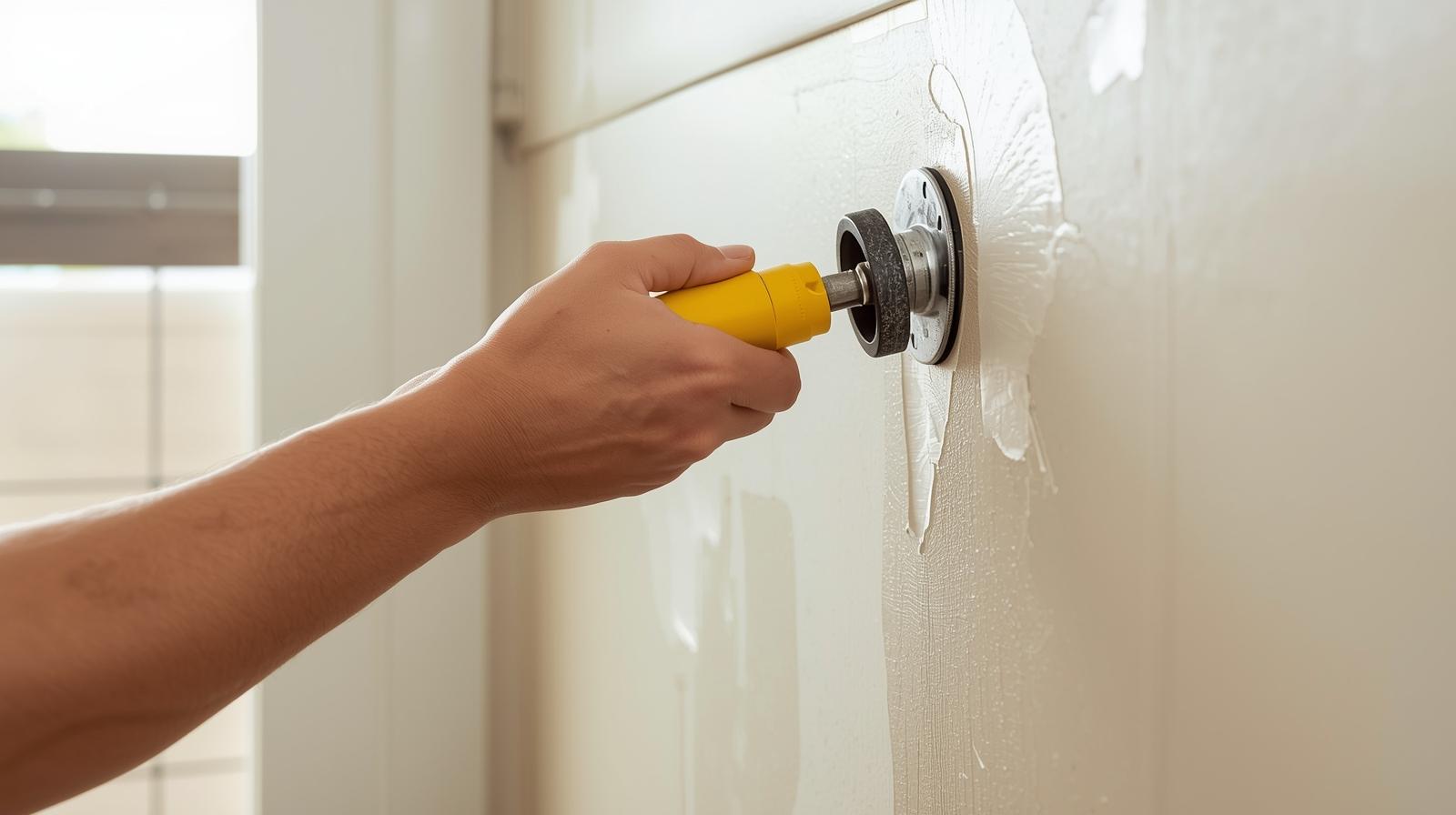
Rental Property Maintenance: How to Stay Ahead of Repairs Without Burning Out
Did you know that 68% of landlords report feeling overwhelmed by maintenance demands, with the average small landlord spending 14+ hours per month just coordinating repairs? If you've ever scrambled to fix a burst pipe at midnight or watched your weekend disappear into emergency maintenance calls, you're not alone. The difference between successful landlords and burned-out ones often comes down to one thing: a proactive rental property maintenance strategy.
In this guide, you'll learn:
- How to implement a preventive maintenance rental program that cuts emergency repairs by 40%
- The exact landlord maintenance checklist used by successful property managers
- How to set up rental repairs tracking that saves 12+ hours monthly
- Smart maintenance scheduling techniques that keep tenants happy and costs low
What Is Rental Property Maintenance and Why It Matters
Rental property maintenance is the systematic approach to keeping your properties safe, functional, and valuable through regular inspections, preventive repairs, and responsive service to tenant repair requests. Effective maintenance protects your investment by preventing small issues from becoming expensive emergencies while keeping tenants satisfied and properties compliant with housing codes.
Studies show that landlords who implement structured maintenance programs reduce repair costs by 35-50% annually and experience 60% fewer tenant complaints. More importantly, you'll reclaim your evenings and weekends instead of constantly putting out fires.
Why Small Landlords Struggle with Rental Property Maintenance
Most small landlords start with good intentions but quickly fall into reactive mode. You wait for something to break, then rush to fix it. This approach seems cheaper upfront but actually costs more in the long run through:
Emergency repair premiums: After-hours service calls cost 50-100% more than scheduled maintenance. A $200 daytime HVAC tune-up becomes a $500 emergency repair at 9 PM on Saturday.
Accelerated deterioration: That small roof leak you ignored? It just caused $8,000 in water damage to the ceiling, insulation, and drywall.
Tenant turnover: Properties with frequent maintenance issues lose good tenants. The cost of vacancy and turnover averages $3,500 per incident according to the National Apartment Association.
The solution isn't working harder—it's working smarter with preventive maintenance rental strategies that catch problems early.
💡 Spending hours tracking maintenance requests across texts, emails, and phone calls? Property Aura automates tenant repair requests with a centralized dashboard that logs every issue, tracks status, and sends automatic updates. See how it works →
Building Your Landlord Maintenance Checklist: The Foundation
A comprehensive landlord maintenance checklist is your roadmap to staying ahead of repairs. Break yours into four categories based on frequency:
Monthly Maintenance Tasks
Your monthly rental property maintenance routine should take 30-45 minutes per property:
- Test smoke detectors and carbon monoxide alarms
- Inspect HVAC filters (change if needed, typically every 1-3 months)
- Check for water leaks under sinks and around toilets
- Test GFCI outlets in bathrooms and kitchens
- Walk the property exterior for obvious issues (damaged siding, clogged gutters)
- Review tenant repair requests and follow up on open items
Quarterly Maintenance Tasks
Every three months, expand your inspection:
- Deep clean or replace HVAC filters
- Inspect weather stripping on doors and windows
- Check caulking around tubs, showers, and sinks
- Test all appliances for proper operation
- Inspect basement or crawl space for moisture/pests
- Check garage door operation and safety sensors
- Trim trees and shrubs away from the structure
Semi-Annual Maintenance Tasks
Twice per year (typically spring and fall), tackle these critical items:
- Professional HVAC system service and tune-up
- Clean gutters and downspouts thoroughly
- Inspect roof for damaged or missing shingles
- Check and clean dryer vents
- Test sump pump operation (if applicable)
- Inspect and seal driveway/walkway cracks
- Check foundation for cracks or settling
- Service well and septic systems (if applicable)
Annual Maintenance Tasks
Once yearly, complete your comprehensive rental property maintenance review:
- Professional chimney inspection and cleaning (if applicable)
- Water heater flush and inspection
- Deep carpet cleaning or floor refinishing
- Exterior paint touch-ups
- Window and door hardware lubrication
- Pest control inspection and treatment
- Sprinkler system winterization (if applicable)
- Review and update property insurance coverage
Pro Tip: Create a digital landlord maintenance checklist with reminder dates. Property Aura users can set up automated maintenance scheduling that sends reminders 30 days before each task is due, ensuring nothing falls through the cracks.
How to Set Up Preventive Maintenance Rental Systems That Actually Work
Moving from reactive to preventive maintenance rental programs requires three key elements: documentation, scheduling, and accountability.
Step 1: Document Your Baseline
Before you can prevent problems, you need to know what you're working with. For each property:
- Complete a comprehensive property inspection: Document the age and condition of every major system (roof, HVAC, plumbing, electrical, appliances)
- Gather equipment details: Record model numbers, installation dates, and warranty information
- Create a property file: Store manuals, receipts, and contractor contacts in one place
- Take dated photos: Visual documentation helps you track deterioration over time
This baseline takes 2-3 hours per property but saves countless hours of scrambling later when you need contractor information or warranty details.
Step 2: Build Your Maintenance Calendar
Transform your landlord maintenance checklist into a working calendar:
- Assign specific dates: Don't just write "quarterly HVAC check"—schedule it for January 15, April 15, July 15, and October 15
- Set reminders 30 days out: This gives you time to schedule contractors before the deadline
- Account for seasonal timing: Schedule furnace service in early fall, AC service in early spring
- Coordinate with lease renewals: Time major inspections when tenants renew to minimize disruption
Time-Saving Insight: Property Aura users save 12+ hours/month on maintenance scheduling and reduce emergency repairs by 73%. Try free - no credit card required →
Step 3: Establish Vendor Relationships
Don't wait for an emergency to find reliable contractors:
- Pre-qualify 2-3 vendors per trade: Have backup options for plumbing, electrical, HVAC, roofing, and general repairs
- Negotiate maintenance agreements: Many contractors offer discounted rates for scheduled preventive service
- Get after-hours contacts: Know who you can call at 2 AM when disaster strikes
- Document response times and quality: Track vendor performance to identify your go-to professionals
Building these relationships during non-emergency times means faster, better, and often cheaper service when urgency strikes.
Mastering Rental Repairs Tracking: From Chaos to Control
The typical landlord juggles tenant repair requests through a chaotic mix of text messages, voicemails, emails, and sticky notes. This system (or lack thereof) leads to missed requests, duplicate work, and frustrated tenants.
Create a Single Point of Entry
Establish one clear channel for all tenant repair requests:
- Provide a simple submission method: Online form, dedicated email, or property management app
- Set clear expectations: "All non-emergency requests will be addressed within 48 hours"
- Define emergencies: Be explicit about what qualifies (burst pipes, no heat in winter, electrical hazards)
- Give emergency contact info: Provide a phone number for true emergencies outside business hours
Implement a Status Tracking System
For every repair request, track these five data points:
- Date reported: When did the tenant first notify you?
- Issue description: What exactly is the problem?
- Priority level: Emergency, urgent, or routine?
- Status: Received, scheduled, in progress, completed
- Resolution date: When was the issue fully resolved?
This rental repairs tracking system protects you legally (proof you addressed issues timely) and operationally (prevents anything from slipping through the cracks).
Set Up Automatic Communication
Keep tenants informed without constant back-and-forth:
- Acknowledge receipt immediately: "We received your repair request and will respond within 48 hours"
- Provide scheduling updates: "Your repair is scheduled for Tuesday, March 15 between 9 AM and noon"
- Confirm completion: "The repair has been completed. Please let us know if you have any concerns"
Proactive communication reduces follow-up calls and builds tenant satisfaction.
Link Repairs to Financial Records
Every repair has a cost. Connect your rental repairs tracking to your financial system:
- Record actual repair costs against budgeted amounts
- Track which properties require the most maintenance
- Identify patterns that signal bigger problems
- Maintain documentation for tax deductions
Property Aura automatically links maintenance requests to expenses, creating a complete audit trail from tenant complaint to paid invoice. This integration saves hours of manual data entry and provides instant insights into your true maintenance costs per property.
Smart Maintenance Scheduling That Saves Time and Money
Effective maintenance scheduling isn't just about remembering when to do tasks—it's about optimizing your time and minimizing tenant disruption.
Batch Similar Tasks
Group maintenance activities by type and location:
- Route optimization: If you have multiple properties in the same area, schedule inspections on the same day
- Seasonal batching: Do all your spring outdoor maintenance in one concentrated effort
- Vendor efficiency: Have your HVAC contractor service all properties during one visit (often gets you a multi-unit discount)
This approach can cut your maintenance time by 40% compared to handling each property separately.
Use Trigger-Based Scheduling
Some maintenance should happen based on conditions, not just calendar dates:
- After severe weather: Inspect roofs and gutters after major storms
- Following extreme temperatures: Check HVAC systems after heat waves or cold snaps
- Post-tenant turnover: Complete a 25-point inspection before new tenants move in
- After utility spikes: Unusually high water or electric bills trigger investigation
Leverage Seasonal Windows
Timing matters for certain maintenance tasks:
- Spring: Exterior painting, roof repairs, AC service, landscaping
- Summer: Major renovations (when weather cooperates)
- Fall: Furnace service, weatherproofing, gutter cleaning
- Winter: Indoor projects, planning for spring work
Working with seasonal patterns means better contractor availability and often lower prices during their slow seasons.
Balance Tenant Convenience
Respect your tenants' time while protecting your investment:
- Provide 24-48 hours notice for non-emergency maintenance (check your state's legal requirements)
- Offer scheduling options: "Would Tuesday afternoon or Thursday morning work better?"
- Group related work: Complete multiple tasks during one visit rather than interrupting tenants repeatedly
- Avoid major holidays and weekends when possible
Happy tenants who feel respected are more likely to renew leases and take better care of your property.
Handling Tenant Repair Requests Like a Professional
How you respond to tenant repair requests directly impacts tenant satisfaction, retention, and your reputation as a landlord.
Establish Clear Request Procedures
Put your repair request process in writing in every lease:
- How to submit requests: "Submit all non-emergency repair requests through our online portal at [URL]"
- Response timeframes: "We respond to routine requests within 48 hours and complete repairs within 7 business days"
- Emergency procedures: "For emergencies outside business hours, call [phone number]"
- Tenant responsibilities: "Tenants are responsible for changing light bulbs, replacing air filters, and [other minor items]"
This clarity prevents misunderstandings and sets realistic expectations.
Prioritize Effectively
Not all repair requests are equal. Use a clear prioritization system:
Priority 1 - Emergency (Address immediately)
- No heat in winter or AC in extreme heat
- Water leaks or burst pipes
- Electrical hazards
- Security issues (broken locks, doors)
- Gas leaks
Priority 2 - Urgent (Address within 24-48 hours)
- Appliance failures
- Plumbing issues (slow drains, running toilets)
- HVAC problems in moderate weather
- Pest infestations
Priority 3 - Routine (Address within 7 days)
- Minor repairs (loose doorknobs, stuck windows)
- Cosmetic issues (paint touch-ups, caulking)
- Non-critical improvements
Communicate Throughout the Process
Keep tenants informed at every step:
- Immediate acknowledgment: "We received your request about the dishwasher"
- Assessment update: "We've diagnosed the issue as a faulty heating element"
- Scheduling notification: "The repair is scheduled for Thursday at 2 PM"
- Completion confirmation: "The dishwasher has been repaired and tested"
- Follow-up check: "Is everything working to your satisfaction?"
This communication shows professionalism and reduces tenant anxiety.
Document Everything
Create a paper trail for every repair:
- Save all tenant requests (emails, forms, texts)
- Take before and after photos
- Keep receipts and invoices
- Note date reported and date completed
- Record any tenant communications
This documentation protects you legally and helps identify recurring issues.
Common Rental Property Maintenance Mistakes to Avoid
Learn from the expensive mistakes other landlords have made:
Mistake 1: Ignoring Small Issues
That dripping faucet seems minor, but it wastes 3,000 gallons per year and can cause hidden water damage. Small problems rarely fix themselves—they grow into expensive ones. Address minor issues promptly before they become major headaches.
Mistake 2: Using Cheap Materials or Labor
Hiring the lowest bidder or buying bargain materials often costs more in the long run. A $200 discount on a cheap water heater that fails in 3 years instead of lasting 10 is actually a $800 loss. Invest in quality materials and reputable contractors.
Mistake 3: Skipping Regular Inspections
If you're not physically visiting properties at least quarterly, you're missing problems. Tenants don't always report issues promptly (or at all). Regular inspections catch problems early and remind tenants that you're actively maintaining the property.
Mistake 4: Failing to Winterize
In cold climates, failing to winterize properties costs thousands in burst pipe repairs. Even in moderate climates, prepare properties for seasonal changes. This includes everything from HVAC filter changes to gutter cleaning.
Mistake 5: Not Keeping Maintenance Records
Without records, you can't prove you maintained the property properly (important for legal disputes), can't budget accurately, and can't claim legitimate tax deductions. Document everything from day one.
Mistake 6: Allowing Tenants to Make Repairs
Unless you have a very clear written agreement, don't let tenants do repairs "to save you money." You lose quality control, may violate building codes, and could face liability issues. Always use licensed, insured professionals for anything beyond basic tasks.
Tools and Resources for Streamlined Property Maintenance
The right tools transform rental property maintenance from overwhelming to manageable.
Property Management Software
Moving from spreadsheets and sticky notes to dedicated software eliminates the administrative burden. Property Aura provides:
- Automated maintenance scheduling: Set up recurring tasks with automatic reminders
- Centralized tenant repair requests: One dashboard for all properties and all issues
- Vendor management: Store contractor information, track performance, and manage payments
- Financial integration: Link maintenance expenses to specific properties and categorize for tax time
- Mobile access: Update maintenance status from job sites, not just your desk
Essential Maintenance Equipment
Keep a landlord toolkit with these basics:
- Multi-bit screwdriver
- Adjustable wrench
- Pliers set
- Flashlight and batteries
- Outlet tester
- Moisture meter (detects hidden water damage)
- Cordless drill
- Basic plumbing supplies (washers, pipe tape)
- Air filter sizes for your properties
Having these items lets you handle minor issues during routine inspections without scheduling additional trips.
Reliable Vendor Network
Your most valuable maintenance resource is a network of skilled professionals:
- Licensed plumber
- HVAC technician
- Electrician
- General contractor
- Roofer
- Pest control service
- Locksmith
- Appliance repair specialist
Establish relationships before emergencies happen. Get quotes from 2-3 in each category and keep their contact information readily accessible.
Key Takeaways
- Preventive maintenance rental programs reduce emergency repairs by 35-50% and save significant money long-term compared to reactive approaches
- A comprehensive landlord maintenance checklist with monthly, quarterly, semi-annual, and annual tasks keeps properties in top condition and prevents small issues from becoming expensive problems
- Effective rental repairs tracking requires a single point of entry, status monitoring, clear communication, and integration with financial records
- Smart maintenance scheduling means batching similar tasks, optimizing routes, working with seasonal patterns, and respecting tenant convenience
- Professional handling of tenant repair requests with clear procedures, appropriate prioritization, and consistent communication builds tenant satisfaction and protects your investment
Frequently Asked Questions
How often should I inspect my rental properties?
You should conduct quarterly walk-through inspections of your rental properties at minimum, with monthly drive-bys to check exterior conditions. Many successful landlords schedule inspections at the start of each season (spring, summer, fall, winter) to address seasonal maintenance needs proactively.
What rental property maintenance costs should I budget annually?
Budget 1-2% of your property value annually for routine maintenance and repairs, plus an additional 0.5-1% for a capital expenditure reserve. For a $200,000 rental property, plan for $2,000-$4,000 in annual maintenance costs plus $1,000-$2,000 for eventual major replacements like roofs or HVAC systems.
How quickly must landlords respond to repair requests?
Response times vary by state law and urgency level. For emergencies affecting habitability (heat, water, safety), respond immediately. For urgent issues, address within 24-48 hours. For routine repairs, 7-14 days is typical. Always check your specific state's landlord-tenant laws for legal requirements and put your response timeline in writing in your lease.
When should I hire a property manager instead of handling maintenance myself?
Consider hiring a property manager when you own 5+ properties, live more than an hour from your rentals, lack the time or skill for maintenance coordination, or find yourself consistently stressed by tenant issues. Property management typically costs 8-12% of monthly rent but may be worthwhile if it prevents burnout or costly mistakes.
Why is preventive maintenance better than fixing things when they break?
Preventive maintenance costs significantly less than emergency repairs because you're catching small issues early, avoiding after-hours service fees, extending equipment lifespan, and preventing collateral damage. A $150 annual HVAC tune-up prevents a $3,000 system replacement, while a $50 gutter cleaning prevents $5,000 in foundation water damage. Additionally, well-maintained properties have higher tenant satisfaction and retention.
Ready to Streamline Your Property Management?
Join 2,500+ landlords using Property Aura to:
- ✅ Automate maintenance scheduling with smart reminders that ensure nothing falls through the cracks
- ✅ Track all tenant repair requests in one centralized dashboard with automatic status updates
- ✅ Generate accurate maintenance expense reports for tax time with zero manual data entry
"Property Aura cut my maintenance coordination time from 15 hours a month to less than 3. The automated reminders mean I never miss a seasonal task, and the tenant portal eliminated the constant text messages about repairs. It's like having a property manager without the 10% fee." - Sarah M., 8-unit landlord
Ready to implement these rental property maintenance strategies without the administrative headache? Try Property Aura free and see how our platform helps you stay ahead of repairs while reclaiming your time.
Related Topics
Related Articles
How to Calculate Cap Rate on a Rental Property (2026 Guide for Small Landlords) A cap rate is a rental property's net operating income divided by its
How to Legally Evict a Tenant: A Step-by-Step Guide for Small Landlords To evict a tenant legally, serve a written notice (pay-or-quit or cure-or-quit

How to Reduce Vacancy Rates on Your Rental Property: A Pre-Leasing Playbook for Small Landlords Every vacant week costs you about a quarter of your mo