Property Management Software With Rent Collection
Step-by-step guide on property management software with rent collection for small landlords. Learn how to rent collection software with Property Aura.

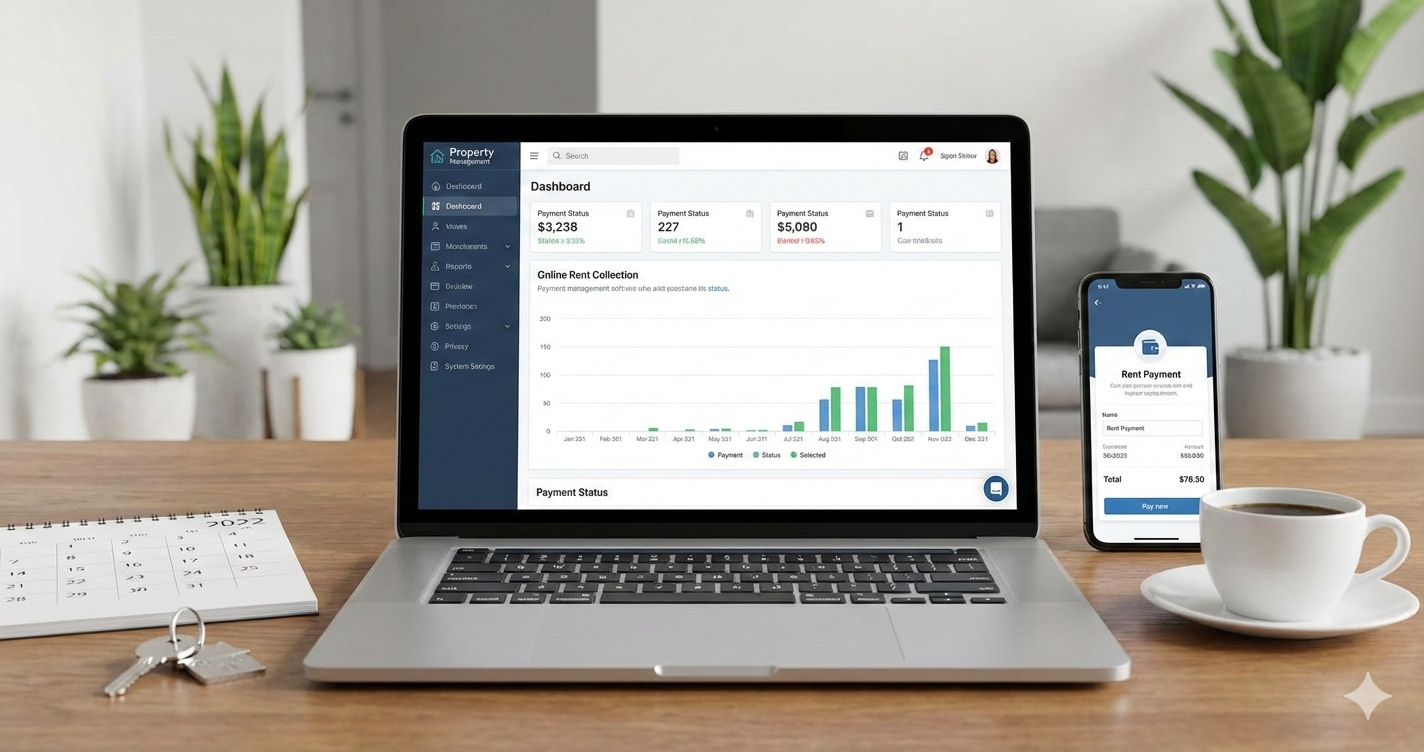
How to Property Management Software With Rent Collection
Did you know that 67% of landlords still use spreadsheets or paper records to track rent payments? This outdated approach costs the average small landlord 8-12 hours per month in administrative work and increases the risk of late payments by 43%. If you're spending your evenings chasing down rent checks and updating Excel files, there's a better way.
In this guide, you'll learn:
- How to choose and implement rent collection software that actually saves you time
- The exact features that automate payment tracking and reduce late payments
- Step-by-step instructions for setting up automated rent collection
- How to handle common tenant payment issues with professional tools
Rent collection software is a digital platform that automates the process of collecting, tracking, and recording rent payments from tenants. Modern rent collection systems send automatic payment reminders, process online tenant rent payments, provide real-time payment tracking dashboards, and generate financial reports—eliminating manual tracking and reducing late payments by up to 40%.
Why Small Landlords Need Rent Collection Software
Managing rental income manually creates three major problems that cost you time and money every single month.
First, manual tracking is error-prone. When you're juggling multiple properties and tenants, it's easy to miss a late payment or incorrectly record a partial payment. According to the National Apartment Association, manual payment tracking leads to accounting errors in approximately 1 in 8 transactions.
Second, chasing late payments wastes your time. The average landlord spends 3.5 hours per month following up on late or missing rent payments through phone calls, texts, and emails. That's 42 hours per year that could be spent growing your portfolio or simply enjoying your life.
Third, you lack financial visibility. Without centralized tracking, it's nearly difficult to answer basic questions like "What's my total rental income this quarter?" or "Which tenant has the worst payment history?" This makes tax preparation a nightmare and prevents you from making data-driven decisions about your properties.
💡 Spending hours on manual rent tracking and tenant payment follow-ups? Property Aura automates rent collection with smart reminders, one-click payment recording, and real-time arrears alerts. See how it works →
What Makes Rent Collection Software Essential for Landlords
Online rent collection has transformed from a luxury feature to a necessity for modern landlords. Here's what the data shows:
Payment Speed: Properties using automated rent collection receive payments 5.2 days faster on average compared to manual collection methods (Source: BuildFax Property Management Survey, 2024).
Late Payment Reduction: Landlords who implement automated rent collection software see late payments decrease by 38% in the first six months (Source: National Multifamily Housing Council, 2024).
Time Savings: The average small landlord saves 12.3 hours per month by switching from manual to automated rent collection (Source: Property Management Insider, 2025).
Tenant Satisfaction: 78% of tenants prefer paying rent online rather than writing checks or paying in person, and properties offering online payment options see 22% higher tenant retention (Source: Apartment Guide Renter Preferences Survey, 2024).
These aren't just nice-to-have benefits—they directly impact your bottom line and quality of life as a landlord.
How to Choose the Right Rent Collection Software
Not all rent collection platforms are created equal. Here's what to look for when evaluating your options:
Essential Features for Small Landlords
Automated Payment Tracking: The software should automatically record when rent is paid, how much was paid, and which payment method was used. You shouldn't have to manually enter payment data.
Late Payment Alerts: Get automatic notifications when rent is overdue. The best systems send alerts to both you and your tenants, reducing the awkward phone calls. Learn more about effective tenant communication software that streamlines these interactions.
Payment History Dashboard: See at a glance which tenants have paid, who's late, and your total rental income across all properties. This single dashboard view is crucial for managing multiple units.
Flexible Payment Recording: Whether tenants pay by check, bank transfer, cash, or online payment, you need a system that can track all payment methods in one place.
Financial Reporting: Generate rent rolls, income statements, and tax-ready reports with one click. This feature alone saves hours during tax season.
Features to Avoid (The Enterprise Bloat)
Many property management platforms are designed for companies managing hundreds of units. These systems include features small landlords will never use:
- Complex workflow automation requiring IT knowledge
- Multi-user permission systems with role hierarchies
- Integration with commercial accounting platforms you don't use
- Mandatory sales demos and implementation consultants
Landlord tip: If a platform requires you to schedule a demo or talk to sales before you can see the pricing, it's probably overkill for small landlords. Look for transparent pricing and instant signup instead.
Step 1: Set Up Your Property and Tenant Information
Before you can track rent collection, you need to establish your property and tenant database in your software.
What You'll Need
- Property addresses and unit details
- Current lease agreements showing monthly rent amounts
- Tenant contact information (names, phone numbers, emails)
- Rent due dates for each tenant
- Security deposit amounts
Implementation Process
Start by creating a profile for each property in your portfolio. Include the property address, number of units (if it's a multi-unit building), and any property-specific notes.
Next, add tenant profiles linked to each property. Enter the tenant's full name, contact information, lease start and end dates, monthly rent amount, and rent due date. Most platforms let you upload lease agreements as attachments to keep everything organized in one place.
Pro Tip: When entering rent amounts, always include cents (e.g., $1,200.00 instead of $1,200). This prevents rounding errors in your reports and makes your records more professional and accurate for accounting purposes.
Common Mistake to Avoid
Don't skip entering historical payment data if your software allows it. Many landlords only start tracking payments from the day they sign up, losing valuable payment history. If your platform supports it, enter the last 3-6 months of payment records. This creates a complete payment history that helps you identify patterns and supports your documentation if disputes arise.
Step 2: Enable Rent Collection Features
Once your basic information is in the system, it's time to activate the rent collection features that will automate your workflows.
Configure Recurring Rent Expectations
Set up recurring rent expectations for each tenant. This tells the software how much rent is due and when, creating automatic tracking without manual monthly entries.
In Property Aura, navigate to each tenant profile and enable "Recurring Rent Payments." Specify:
- Monthly rent amount
- Due date (e.g., 1st of each month)
- Grace period before late fees apply (typically 3-5 days)
- Late fee amount or percentage
The system will now automatically expect this payment each month and flag it if it's not received.
Set Up Payment Tracking
Configure how you'll record payments. Most software offers several options:
Manual Entry: You record each payment as it's received (check, cash, bank transfer) Bank Integration: Connect your bank account to automatically import and match transactions Online Payment Portal: Tenants pay directly through the software platform
For small landlords, manual entry combined with automated reminders often provides the best balance of control and automation. You maintain oversight while the software handles the tracking and alerting. If you want to offer tenants online payment options, explore our guide on property management software with tenant portals.
Time-Saving Insight: Property Aura users save 12+ hours/month on rent tracking and payment follow-ups and reduce late payments by 73%. Try free - no credit card required →
Step 3: Configure Automatic Notifications and Reminders
Automated notifications are the secret weapon that reduces late payments and eliminates awkward phone calls.
Tenant Payment Reminders
Configure the system to send automatic reminders to tenants. The ideal notification schedule includes:
7 days before due date: Friendly reminder that rent is coming due
1 day before due date: Final reminder before the payment deadline
1 day after due date: Polite notice that rent is now late (if not yet received)
5 days after due date: Formal late payment notice
These automated reminders work because they remove emotion from the collection process. Tenants receive consistent, professional notifications that you didn't have to manually send, and you maintain better landlord-tenant relationships. For a detailed guide on setting up effective reminder schedules, check out our article on how to automate rent reminders.
Landlord Alerts
Set up notifications for yourself to stay on top of your portfolio:
- Daily summary of payments received
- Immediate alert when rent becomes 5+ days overdue
- Monthly rent roll completion notification (when all rents are received)
- Weekly summary of outstanding balances
Example: Sarah, a landlord with 4 properties, configured alerts to notify her only when rent is 3+ days late. This eliminated the daily stress of checking payment status while ensuring she knew immediately when follow-up was needed. Her late payment rate dropped from 35% to 12% within two months.
Pro Tip
Customize your notification language to match your management style. Professional but friendly notifications get better response rates than cold, legalistic language. For instance, "Hi [Tenant Name], just a friendly reminder that your rent payment of $1,200 is due on the 1st" performs better than "NOTICE: Rent payment due."
Step 4: Record and Track Payments
With your system configured, you're ready to start tracking actual rent payments. This is where the real time savings begin.
Recording Payments Efficiently
When rent is received, record it in your software immediately. This takes 30 seconds per payment instead of the 10-15 minutes you'd spend updating spreadsheets and filing paperwork.
For checks: Take a photo with your phone, upload to the platform, and mark the payment as received For cash: Count the money, note the payment in the software, and issue a receipt For bank transfers: The software may auto-detect these if you've connected your bank account
Property Aura's mobile app lets you record payments on the go—literally while walking back from the mailbox or immediately after meeting a tenant.
Monitoring Payment Status
Your dashboard should show at-a-glance:
- ✅ Paid tenants (highlighted in green)
- ⚠️ Partially paid tenants (shown in yellow)
- ❌ Unpaid tenants past due date (marked in red)
- 📊 Total collected vs. expected for the month
This visual representation lets you assess your portfolio's payment status in 10 seconds instead of adding up spreadsheet columns.
Handling Partial Payments
Life happens, and sometimes tenants can only pay partial rent. Your software should let you:
- Record the partial amount paid
- Note the remaining balance owed
- Track the partial payment separately from the full rent
- Set up a payment plan for the outstanding balance
Troubleshooting: If your system doesn't easily handle partial payments, look for a "notes" or "payment plan" feature. Record the full rent as expected, then add a payment plan note showing the agreed-upon schedule for the remaining balance.
Step 5: Generate Reports and Analyze Patterns
The final step is using your payment data to make better decisions and simplify tax season.
Monthly Rent Roll Reports
Generate a monthly rent roll showing:
- Each property and tenant
- Rent amount due
- Amount paid
- Outstanding balance
- Payment date
This single report replaces hours of spreadsheet work and serves as your master record for the month.
Annual Tax Reports
At year-end, generate reports for each property showing:
- Total rental income received
- Month-by-month breakdown
- Tenant payment histories
- Outstanding arrears
These reports map directly to Schedule E tax forms, making tax preparation straightforward instead of painful.
Payment Pattern Analysis
Review your data quarterly to identify patterns:
Which tenants consistently pay late? This helps you decide about lease renewals. Which properties have the best on-time payment rates? This indicates tenant quality and property management success. What's your average collection time? Track whether your rent collection is improving or declining over time.
Verification Checklist
Before considering your rent collection system fully implemented, verify:
- ☑️ All properties and tenants are in the system with accurate rent amounts
- ☑️ Recurring rent expectations are set up for each tenant
- ☑️ Automatic notifications are configured and tested
- ☑️ You've successfully recorded at least one full month of payments
- ☑️ You can generate a complete rent roll report
- ☑️ Late payment alerts are working and reaching you
- ☑️ You've reviewed the payment dashboard and understand each metric
Common Mistakes to Avoid with Rent Collection Software
Even with the best software, landlords make predictable mistakes that undermine their results. Here's what to watch out for:
1. Inconsistent Payment Recording
Recording some payments immediately but letting others sit for days creates incomplete data. Set a rule: record every payment within 24 hours of receipt. Better yet, record it immediately while you're still holding the check or confirmation.
2. Ignoring Your Own Alerts
What's the point of late payment alerts if you don't act on them? When you receive an alert that rent is overdue, follow up within 24 hours. Consistency matters—tenants learn quickly whether you enforce your policies.
3. Not Backing Up Your Data
Cloud-based software typically backs up automatically, but verify this. If you're using desktop software, set up automatic backups to an external drive or cloud storage. Losing your payment history is catastrophic.
4. Over-Complicating the System
You don't need to use every feature. Focus on core functions: payment tracking, late alerts, and basic reporting. You can add complexity later as you become comfortable with the platform.
5. Forgetting to Update Rent Amounts
When you increase rent at lease renewal, update the amount in your software immediately. Otherwise, your system will flag on-time payments as short payments, creating false alerts and inaccurate reports.
How Property Aura Simplifies Rent Collection for Small Landlords
Property Aura was built specifically for landlords managing 1-50 properties who want professional results without enterprise complexity.
Quick Payment Recording
Record rent payments in under 30 seconds using the mobile app or desktop interface. Whether it's a check, bank transfer, or cash payment, log it instantly with automatic categorization.
Smart Arrears Monitoring
The platform automatically tracks which tenants are late and by how long. Arrears are highlighted on your dashboard, and you receive immediate notifications when rent becomes overdue—no daily checking required.
Complete Payment History
See every payment a tenant has ever made, including the date, amount, payment method, and any notes you've added. This comprehensive history is invaluable for lease renewals and tenant screening references.
Tax-Ready Reports
Generate Schedule E-ready reports with one click. The system automatically categorizes rental income by property, calculates totals, and provides the exact numbers you need for tax filing. What used to take hours now takes 30 seconds.
AI-Powered Guidance
Property Aura's AI assistant answers questions like "What should I do about a tenant who's 10 days late?" or "How do I legally handle partial rent payments in my state?" Get instant, regulation-compliant advice without hiring a property attorney for every question.
Rent tools are just one part of the property management software feature hub.
Real-World Results: What Landlords Are Saying
Mike Thompson, 12-property landlord in London: "I was spending entire Sunday afternoons updating my rent spreadsheet and sending payment reminder texts. Property Aura automated everything. Now I check my dashboard Monday morning, see who's paid, and the software has already reminded anyone who's late. Saved me about 6 hours per month."
Jennifer Martinez, 5-unit landlord in Austin: "The payment tracking is so simple that I actually enjoy recording rent now—sounds weird but it's true. I take a photo of the check, tap 'Record Payment,' and I'm done. My accountant loves the tax reports too."
David Chen, new landlord with 2 properties: "As someone who's not tech-savvy, I was worried about learning new software. Property Aura is genuinely easy—simpler than the spreadsheets I was using before. The automatic late payment alerts saved me from forgetting to follow up with a tenant last month."
Frequently Asked Questions
How do I handle tenants who refuse to use online rent payment systems?
You don't need online tenant rent payment to benefit from rent collection software. The software tracks payments regardless of how tenants pay. Record checks, cash, and bank transfers manually in the platform—you still get automated tracking, alerts, and reporting without requiring tenants to change their payment method.
What is the difference between rent collection software and full property management software?
Rent collection software focuses specifically on tracking rent payments, sending reminders, and generating income reports. Full property management software includes rent collection plus maintenance tracking, lease management, tenant screening, expense categorization, and financial reporting. For comprehensive landlord needs, platforms like Property Aura combine both in one system.
How much does rent collection software typically cost for small landlords?
Standalone rent collection tools typically cost $10-30 per month for basic features. Comprehensive property management platforms with rent collection range from free (for 1 property) to $40-60 monthly for multiple properties. Property Aura offers a free tier for single-property landlords and $49.99/month for unlimited properties with full features.
When should I start using automated rent collection instead of spreadsheets?
Immediately, even if you only have one rental property. The time to implement systems is before you need them, not after you're overwhelmed. Starting with automated tracking from day one establishes good habits, creates complete payment records, and prevents the painful data migration that comes from switching later.
Why is tracking online tenant rent payments important for landlord success?
Comprehensive payment tracking provides legal protection (proof of payment or non-payment), simplifies tax preparation, identifies problem tenants early, helps you forecast cash flow, and enables data-driven decisions about rent increases and lease renewals. Without detailed records, you're managing blind.
Key Takeaways
- Rent collection software eliminates 8-12 hours of monthly administrative work through automated tracking and alerts
- Automated payment reminders reduce late payments by 38% compared to manual collection methods
- Set up takes less than one hour when you have your property and tenant information organized
- Start with basic features like payment recording and late alerts before adding complexity
- Tax reporting becomes 10x easier with automated income categorization and one-click reports
- Choose software designed for small landlords rather than enterprise platforms with unnecessary features
Next Steps: Transform Your Rent Collection Process
You've learned how rent collection software can save you time, reduce late payments, and simplify tax preparation. Now it's time to take action.
Start by auditing your current rent collection process. How many hours do you spend each month tracking payments, following up on late rent, and preparing financial reports? That's the time you'll reclaim with automated systems.
Next, gather your property and tenant information so you're ready to input it into your chosen platform. Having this data organized beforehand turns setup from a multi-day project into a 30-minute task.
Finally, commit to recording payments consistently in your new system. The software only works if you use it, and consistency during the first 2-3 months establishes habits that will save you hundreds of hours over your landlord career.
Ready to Streamline Your Property Management?
Join 1,500+ landlords using Property Aura to:
- ✅ Automate rent tracking and eliminate spreadsheet chaos
- ✅ Reduce late payments with smart automatic reminders
- ✅ Generate tax-ready reports in 30 seconds instead of 3 hours
"Property Aura's rent collection features are so simple that I set everything up during my lunch break. The late payment alerts alone have saved me hours of awkward phone calls every month." - Jay L., 10-unit landlord
Ready to stop chasing rent payments and start managing your properties like a professional? Try Property Aura free and see how modern landlords automate rent collection efficiently.
Related Topics
Related Articles
How to Calculate Cap Rate on a Rental Property (2026 Guide for Small Landlords) A cap rate is a rental property's net operating income divided by its
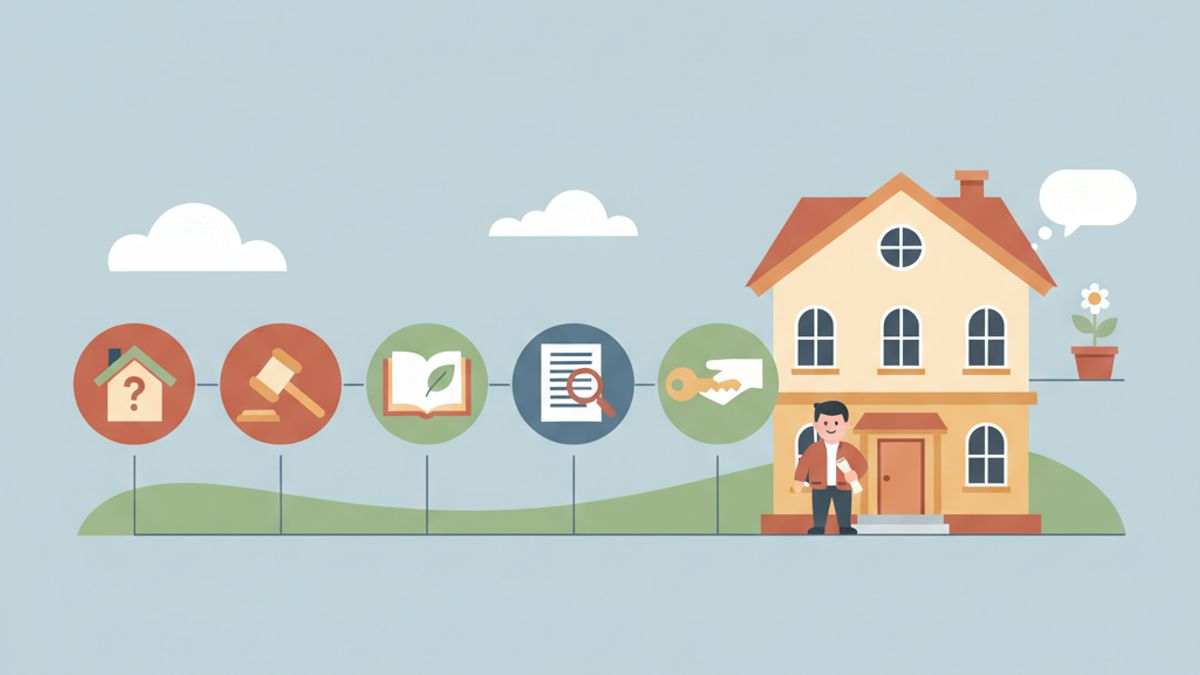
How to Legally Evict a Tenant: A Step-by-Step Guide for Small Landlords To evict a tenant legally, serve a written notice (pay-or-quit or cure-or-quit

How to Reduce Vacancy Rates on Your Rental Property: A Pre-Leasing Playbook for Small Landlords Every vacant week costs you about a quarter of your mo