Property Management Software: The Complete Guide for Small Landlords
Complete guide and hub for property management software: the complete guide for small landlords. Everything small landlords need to know about property management software.

Property Management Software: The Complete Guide for Small Landlords
It's 11 PM on April 14th. Your taxes are due tomorrow, and you're staring at twelve months of bank statements trying to remember which $3,000 charge was the roof repair and which was the furnace. Your spreadsheet has three different versions with conflicting rent totals. A tenant just texted asking about their security deposit from eight months ago, and you can't find the move-in inspection photos. There has to be a better way.
There is. Property management software is a digital platform that helps landlords track rent, manage tenants, record expenses, handle maintenance, and organize documents—all in one centralized system. For small landlords managing 1 to 50 properties, the right software can save hours every week while reducing errors, improving tenant relationships, and making tax time significantly easier.
This page serves as your complete roadmap to understanding property management software for 1-50 properties. We'll cover who it's for, what it does, how much it costs, how to compare different platforms, and how to avoid common pitfalls.
What Is Property Management Software?
At its core, property management software replaces the scattered collection of spreadsheets, folders, and sticky notes that most landlords use to run their rental business. Instead of tracking rent payments in Excel, tenant information in email, and maintenance records on paper, everything lives in one organized digital system.
Think about how you currently manage properties. You probably have spreadsheets for rent and expenses, folders of scanned leases, text messages about repairs, and stacks of contractor invoices. When tax time arrives, you spend hours reconstructing your financial year. Property management software consolidates all of this into a single platform where everything is searchable, organized, and accessible.
The best property management software isn't just about storage—it's about automation and insight. It sends rent reminders automatically, alerts you to late payments and lease expirations, generates financial reports instantly, and helps you make data-driven decisions based on real numbers.
Here's what most landlords get wrong: They choose software based on features. They should choose based on what they'll actually use. The "best" platform often has fewer features, not more—because simplicity means you'll actually use it consistently instead of abandoning it after two months.
For small landlords, finding software that offers professional-level organization without enterprise-level complexity is critical. Most software in this space was built for large companies and then "scaled down," resulting in unnecessary features and confusing interfaces that small landlords never need.
Read the full explanation: What Is Property Management Software (For Small Landlords)
Compare to your current system: Property Management Software vs Spreadsheets
Who Property Management Software Is For
Property management software isn't one-size-fits-all. Different landlords have different needs based on their experience level, portfolio size, and management style. Understanding where you fit helps you choose software designed for your situation rather than fighting against tools built for someone else's needs.
New Landlords
If you've just purchased your first rental property or inherited one unexpectedly, property management software helps you learn best practices while staying organized from day one. The early months involve a steep learning curve—understanding fair housing laws, handling security deposits correctly, documenting everything properly.
Without guidance, new landlords often make costly mistakes: failing to document property conditions, mishandling security deposits, missing tax deductions, or creating informal arrangements that later cause disputes.
New landlords benefit from platforms with built-in templates, automated reminders, and clear dashboards. Some platforms include AI assistants that answer common questions and explain legal requirements—essentially providing training wheels for your landlord business.
See the best options: Property Management Software for New Landlords
Growing Portfolios (10–50 Properties)
Once you move beyond a handful of properties, manual tracking becomes unsustainable. Managing three properties in spreadsheets is tedious but possible. Managing twenty properties manually is a full-time job.
At this level, you're dealing with multiple lease renewals, dozens of maintenance requests, various contractors, significant cash flow, and complex tax situations. Property management software lets you see your full portfolio while drilling down into individual property performance.
You might discover that one property consistently generates 40% higher maintenance costs—information nearly impossible to spot manually. Or that properties in one neighborhood have significantly lower vacancy rates, helping focus future acquisitions.
Features like bulk operations, advanced reporting, and portfolio-wide analytics become essential. You need to understand which properties are most profitable, where to allocate capital improvements, and how your portfolio performs against benchmarks.
Learn what works at scale: Property Management Software for 10–50 Properties
Self-Managing Landlords
Many landlords prefer hands-on management rather than hiring property managers. Software gives you the professional tools property managers use without the 8–12% monthly management fee. You maintain complete control while gaining efficiency—the same services property management companies charge thousands annually to provide.
Accidental Landlords
Perhaps you inherited a property, relocated and decided to rent your home, or bought a multi-unit building where you live in one unit. You didn't plan to become a landlord, but here you are.
Software helps you professionalize quickly without committing years to learning the business. It provides structure that helps you avoid common pitfalls while keeping you organized, making property management manageable enough that many accidental landlords choose to continue rather than selling.
What Property Management Software Does
Property management software typically includes several core feature categories. Not every platform offers every feature, and not every landlord needs every tool—but understanding what's available helps you identify what matters for your situation.
Rent Collection
This is often the first reason landlords consider software. Instead of manually tracking who paid, when, and how much they owe, the system records everything automatically. You can see payment history instantly, identify late payers at a glance, and send automated reminders without awkward phone calls.
The monthly ritual of checking bank accounts, matching deposits to tenants, updating spreadsheets, and chasing late payments becomes effortless. When a tenant disputes a late fee, you pull up exact payment records in seconds.
Many platforms integrate payment processors for online payments, but even if you collect checks or cash, recording in software creates a reliable audit trail. Advanced features include automated reminders, late payment alerts, payment plan tracking, and partial payment recording.
Explore rent collection tools: Property Management Software With Rent Collection
Set up automated reminders: How to Automate Rent Reminders
Accounting
Recording rent is helpful, but understanding your overall financial picture is essential. Property management software tracks all income and expenses, categorizes for tax purposes, and generates profit and loss statements by property or across your portfolio.
Tax season transforms from gathering receipts and reconstructing months of transactions to a simple export. Many platforms generate Schedule E-ready summaries your accountant can use directly, potentially saving hundreds in accounting fees.
Year-round, accounting features help answer critical questions: Is this property actually profitable? Which properties have the best returns? Are maintenance costs trending up? Can you afford another acquisition?
Good software categorizes expenses automatically—mortgage interest, property taxes, insurance, repairs. It tracks all income sources: rent, late fees, parking fees. Some platforms identify commonly missed deductions, potentially saving thousands annually.
See accounting features: Property Management Software With Accounting
Maintenance Tracking
When a tenant reports a leaky faucet or broken appliance, you need to track the request, schedule repairs, monitor costs, and ensure completion. Without a system, requests get lost in text messages, creating frustrated tenants and potential liability.
Maintenance tracking features log every request, link it to the property and unit, assign to contractors, track status, record costs, and attach photos. The system creates complete work history for each property.
This becomes invaluable for justifying security deposit deductions, analyzing if a property needs constant repairs, budgeting based on historical costs, and evaluating contractor performance. For multiple properties, tracking reveals patterns—like older water heaters needing replacement before they fail catastrophically.
Learn about maintenance tools: Property Management Software With Maintenance Tracking
Master repair tracking: How to Track Repairs as a Landlord
Tenant Communication
Professional landlords maintain clear communication records for legal protection and relationship building. Software provides secure messaging, tracks conversations by property and tenant, and timestamps everything.
Tenant portals allow renters to make payments, submit maintenance requests, view lease documents, and communicate with you—reducing constant back-and-forth of routine questions.
Explore communication features: Best Software for Tenant Communication
Understand portal features: Property Management Software With Tenant Portal
Document Storage & Automation
Leases, inspections, invoices, certificates—rental properties generate substantial paperwork. Software provides centralized, searchable storage with security far better than filing cabinets. When a tenant disputes a charge, find what you need in seconds.
The most valuable aspect is often what happens automatically: sending rent reminders, alerting to lease expirations, notifying of unpaid balances, and flagging maintenance deadlines. Automation prevents things from falling through cracks even when life gets busy.
How Much Property Management Software Costs
Understanding pricing is essential for evaluating property management software. Unlike consumer software with simple monthly fees, property management platforms use several different pricing models—and the differences significantly impact your actual cost over time.
Pricing Models
Property management software uses several pricing models that significantly impact your actual cost over time:
| Pricing Model | How It Works | Best For | Watch Out For |
|---|---|---|---|
| Per-Unit | $1-$3 per unit/month | Small portfolios (1-10 units) | Costs scale linearly—30 units = $720/year |
| Flat-Rate | Single monthly fee regardless of units | Growing portfolios (10+ units) | May be expensive for 2-3 properties |
| Free Tier | Limited features or property caps | Single property owners, testing software | Severe feature limitations, forced upgrades |
| Transaction Fees | 2-3% per online payment | Those avoiding subscriptions | $300/year on $10K annual rent collected |
Per-Unit Pricing offers predictability—your cost increases with your business—but becomes expensive as you grow. A landlord with 30 units paying $2 each spends $720 annually, potentially more than flat-rate alternatives.
Flat-Rate Pricing rewards growth. Your tenth property costs nothing extra. Your twentieth property costs nothing extra. However, if you're managing just two or three properties, flat-rate pricing might cost more than per-unit models.
Free Tiers work well for single-property landlords testing software, but typically restrict advanced features like detailed reporting or document storage.
Transaction Fees aren't technically subscription costs, but add up quickly. On $2,000 monthly rent from five tenants at 3%, that's $300 annually just to accept payments.
Hidden Costs
Watch for charges beyond advertised prices: setup fees ($50-$200), data migration charges, per-user fees ($10-$20 monthly), premium support costs, feature paywalls, and annual commitment requirements.
Always calculate true annual cost including all fees.
Get the full breakdown: Property Management Software Pricing Explained
Calculate your real cost: How Much Does Property Management Software Cost?
Understand per-unit pricing: Property Management Software Cost Per Unit
Watch for hidden charges: Hidden Fees in Property Management Software
Free vs Paid: What's the Tradeoff?
Free software has limitations: restricted properties (often one or two), limited features, advertising, or transaction fees that make them more expensive than paid alternatives.
Paid software offers unlimited properties, full features, better support, and no ads. For landlords managing even a few properties, time savings often justify the $20-$50 monthly cost.
Compare options: Free vs Paid Property Management Software
Evaluate free software: Is Free Property Management Software Worth It?
Find budget options: Cheapest Property Management Software
Comparing Property Management Software
With dozens of platforms available, choosing the right one feels overwhelming. The truth is there's no universal "best" software—only the best software for your specific situation.
What Makes Software "Better"
The right platform depends on your portfolio size, technical comfort level, budget, and which features matter most to you. A platform perfect for a tech-savvy landlord with 30 units might be overkill (and overpriced) for someone managing two rentals. Conversely, a simple free tool might lack critical features for larger portfolios.
Start with ease of use: Can you navigate it without training? If you need to watch tutorial videos or read documentation just to record a rent payment, the software is too complex for your needs. The best platforms feel intuitive from the first login.
Consider essential features by making a list of what you absolutely require—maybe that's automated rent reminders, Schedule E reports, or maintenance tracking—and verify each platform delivers those features without upgrades or add-ons.
Evaluate pricing structure by calculating what you'd pay with two properties, five properties, ten properties, and twenty properties. Some platforms become prohibitively expensive with growth while others maintain reasonable costs.
Check support quality to confirm whether support is available during hours you actually work (evenings and weekends for part-time landlords), whether it's email-only or includes phone support, and what typical response times are.
Assess mobile access since many landlord tasks happen outside the office—at properties, between meetings, during evenings. Platforms with genuinely functional mobile interfaces provide significant convenience.
Finally, understand switching costs by looking for platforms that make data export difficult or charge high migration fees—these effectively trap you. Look for systems that make your data portable.
Popular Platforms Compared
Property Aura focuses specifically on small landlords with 1 to 50 properties, emphasizing accounting, financial reporting, and simplicity. The standout feature is an AI assistant trained on global landlord regulations—essentially having an expert consultant available 24/7. Transparent flat-rate pricing: free for one property, or $49.99 monthly for unlimited properties. No per-unit fees, no hidden charges, no mandatory sales calls.
Buildium is one of the largest platforms, designed primarily for professional property managers. Comprehensive with features covering virtually every scenario, but steeper learning curve and higher cost. New users often feel overwhelmed by the interface. Pricing starts around $50 monthly and increases based on units.
TenantCloud offers a robust free tier supporting unlimited properties with basic features. However, 2.75% transaction fees on rent payments add up—landlords collecting $5,000 monthly pay $1,650 annually in fees alone.
See detailed comparisons:
Looking for alternatives: Best Buildium Alternatives
Find the overall best option: Best Property Management Software for Small Landlords
Choose the right fit: How to Choose Property Management Software
Common Problems Landlords Have With Software
Not every landlord loves their property management software. Many switch platforms within the first year due to frustrations they didn't anticipate.
Complexity Overload
Software designed for enterprise companies is often far too complex for small landlords. Features you'll never use clutter the interface. Navigation requires too many clicks. Simple tasks take longer than they should.
When platforms require demos and training just to get started, that's a red flag. Many landlords report spending more time managing their software than they spent managing properties manually.
Cost Surprises
Advertised prices often don't reflect actual costs. A landlord signs up for $20/month, then discovers online rent collection costs 3% per transaction (another $150 monthly on $5,000 rent), tax reports require upgrading to the $50 plan, adding their accountant costs $15 monthly, and phone support requires the $75 plan. Actual cost: $240 monthly, not $20.
Free tiers often prove so limited they're unusable for real management.
Poor Support & Switching Difficulties
Many platforms offer email-only support with multi-day response times. Budget platforms sometimes offer no human support at all.
Getting data out can be challenging once you're committed. Some software limits export formats or charges migration fees, trapping landlords in systems they've outgrown.
Read about issues: The Biggest Problems With Property Management Software
Understand frustrations: Why Landlords Hate Their Software
Learn to switch: How to Switch Property Management Software
Transition from spreadsheets: Moving From Excel to Property Management Software
The Future of Property Management Software
Property management software is evolving rapidly through AI, automation, and integration capabilities.
AI integration is the most significant development. Landlords can ask questions in plain language and receive immediate answers. AI analyzes portfolios and suggests optimizations—properties with declining profitability, maintenance patterns indicating bigger problems, or rent pricing below market rate. Some platforms use AI to draft legal notices, generate customized lease clauses, and predict tenant payment behavior.
Explore AI capabilities: AI in Property Management Software
Future platforms will handle more autonomously: automatically adjusting rent for renewals based on market data, scheduling preventive maintenance before failures, sending personalized communications based on tenant behavior, and generating reports without manual configuration.
Software that works in isolation is becoming obsolete. Modern platforms connect with accounting software, payment processors, background check services, smart home devices, and banking platforms—creating seamless workflows without manual data entry.
How Property Aura Fits In
Property Aura takes a different approach: accounting-first, AI-powered, and deliberately simple. While most property management software tries to do everything for everyone, Property Aura focuses specifically on what small landlords with 1 to 50 properties actually need.
No demos. Sign up and start managing properties in under 5 minutes. No sales calls. No waiting for approval. No pressure.
No per-unit fees. Flat-rate pricing means your costs don't explode as you grow. Free for one property with core features, or $49.99 monthly for unlimited properties with full access. A landlord with 30 units pays the same as a landlord with 5 units.
No enterprise bloat. Property Aura doesn't include features designed for 500-unit management companies. It focuses on straightforward rent tracking, robust accounting, maintenance organization, and document storage. If you need advanced features like tenant background checks or syndicated listing management, integrate third-party services. The core platform remains focused and uncluttered.
AI assistant trained on global regulations. Instead of googling "can I charge for carpet cleaning" at midnight or waiting days for support, ask the AI assistant and get reliable, region-specific guidance instantly. It's trained on UK, US, and EU landlord regulations—essentially having an expert consultant available 24/7.
The platform is accounting-first because that's where most landlords struggle. At tax time, export Schedule E-ready reports your accountant can use directly. Year-round, understand which properties are profitable, where expenses are trending, and whether you can afford to expand.
Try Property Aura: Start managing your properties in under 5 minutes with a free account. No credit card required, no demos, no pressure.
Making Your Decision
Choosing property management software isn't about finding the objectively "best" platform—it's about finding the right fit for your portfolio, budget, and management style.
Start by identifying your priorities. What causes the most headaches in your current system? Choose software that solves your biggest pain points first.
Consider your growth plans. If you're expanding significantly, flat-rate pricing makes more sense than per-unit models. If you're keeping just a few properties, simpler tools might be perfect.
Don't overlook the importance of actually using the software. Simple software you use consistently beats comprehensive software you avoid.
Finally, remember that switching is always possible. Your first choice doesn't have to be your permanent choice.
Property management software should make your life easier, not add stress. Take time to explore options, try free trials, and choose the platform that feels right for how you work.
Property Aura helps small landlords manage their rental properties with professional-grade tools and none of the complexity. Start your free account today and simplify your property management in under 5 minutes.
Related Topics
Related Articles
How to Calculate Cap Rate on a Rental Property (2026 Guide for Small Landlords) A cap rate is a rental property's net operating income divided by its
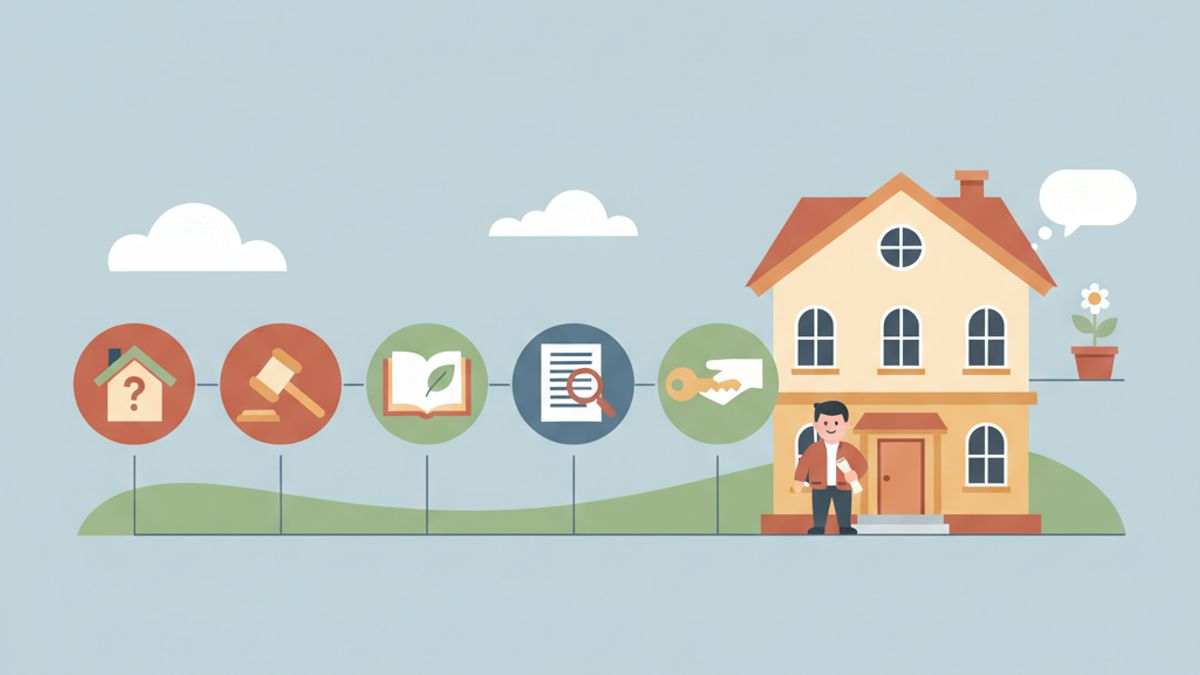
How to Legally Evict a Tenant: A Step-by-Step Guide for Small Landlords To evict a tenant legally, serve a written notice (pay-or-quit or cure-or-quit

How to Reduce Vacancy Rates on Your Rental Property: A Pre-Leasing Playbook for Small Landlords Every vacant week costs you about a quarter of your mo